Excavation Equipment Rentals: How to Build the Perfect Fleet for Any Project Size
For excavation contractors, civil construction companies, and earthmoving specialists operating across Australia’s diverse project landscape, building the perfect equipment fleet represents one of the most critical decisions affecting project success and profitability. The challenge lies not just in selecting individual machines, but in creating integrated excavation equipment rental strategies that optimize productivity, minimize costs, and ensure seamless operation across projects of varying scale and complexity.
From residential developments requiring compact precision to major infrastructure projects demanding maximum productivity, understanding how to build and deploy the ideal equipment fleet separates successful contractors from those struggling with cost overruns and operational inefficiencies. This comprehensive guide reveals proven strategies for creating excavation fleets that deliver consistent results across any project size.
Understanding Fleet Composition Fundamentals
The Multi-Size Approach to Excavation Success
Successful excavation contractors recognize that no single excavator size can efficiently handle all project requirements. The most profitable approach involves understanding how different excavator classes complement each other to create comprehensive capability across diverse project types.
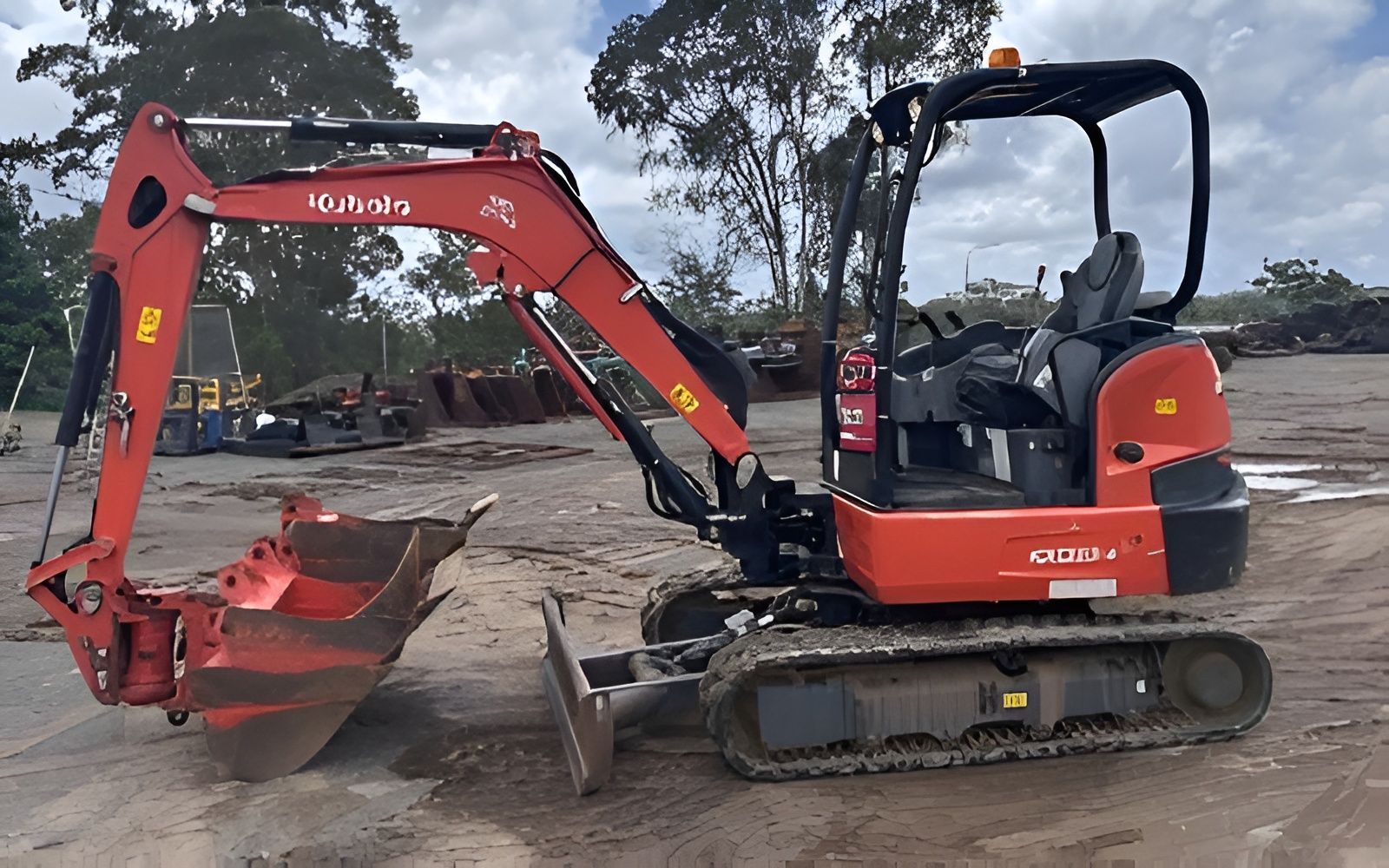
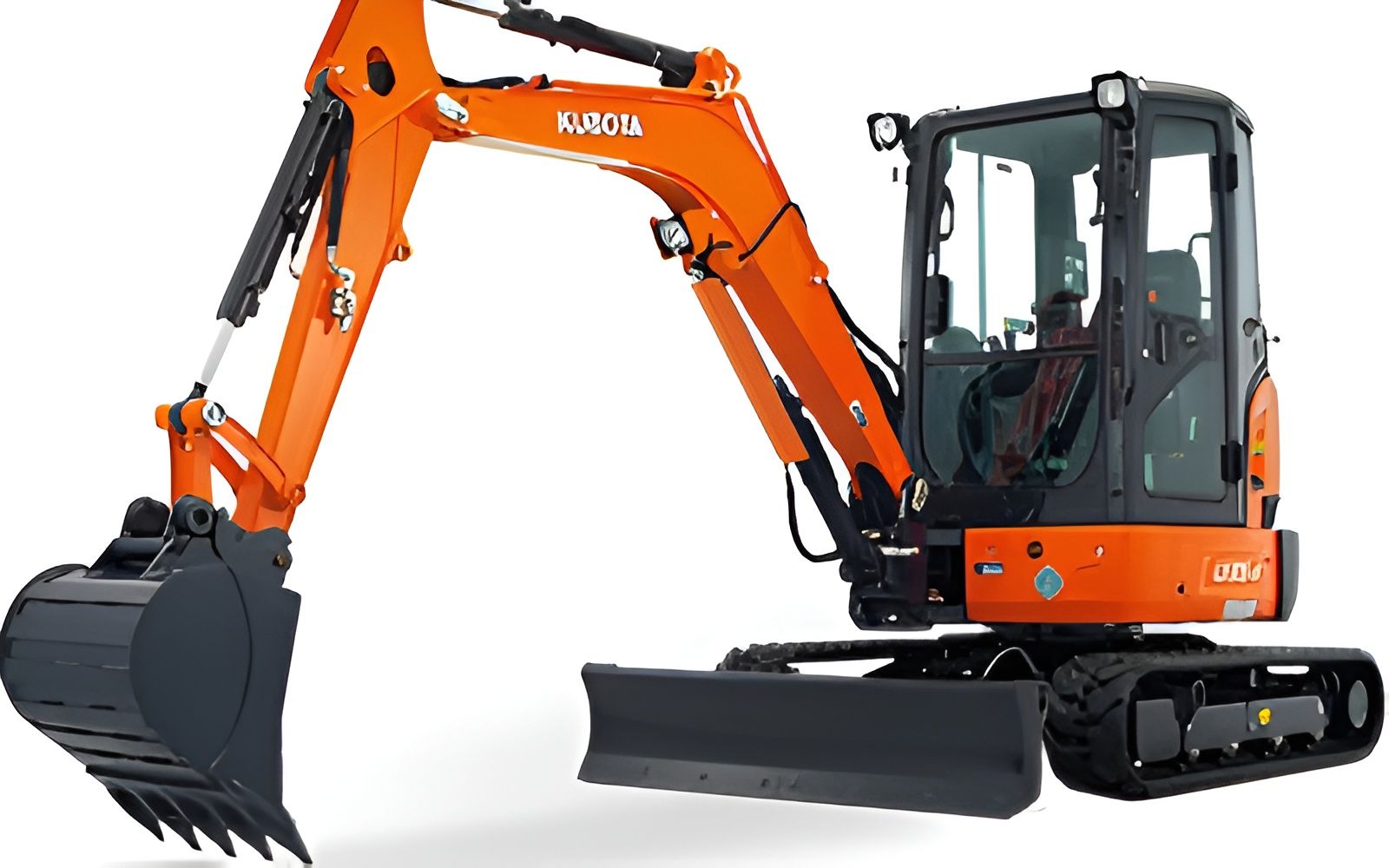
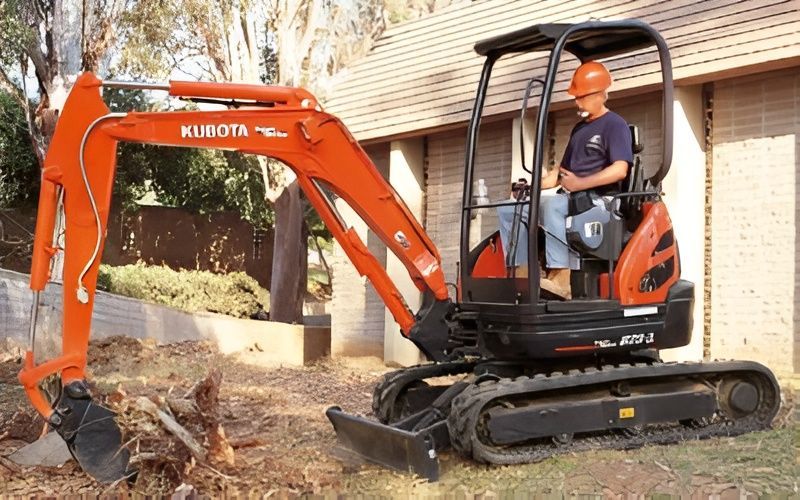
Compact Excavators (1.7T – 3.5T):
Perfect for precision work and confined spaces,
compact excavators excel in:
- Residential construction and landscaping projects
- Urban utility installation and repair
- Interior demolition and tight-space excavation
- Final grading and detail work
Mid-Range Excavators (5T – 8T):
The workhorse category that offers optimal versatility, with 5t and 8t excavators providing:
- Commercial construction earthworks
- Medium-scale civil engineering projects
- General purpose excavation and material handling
- Excellent balance of power and maneuverability
Heavy Excavators (12T+):
For maximum productivity on large-scale projects:
- Major infrastructure development
- Large commercial and industrial projects
- Mass earthmoving and site preparation
- Deep excavation and heavy material handling
Project Size Analysis and Fleet Matching
Small Projects ($50K – $200K):
Typically require 1-2 excavators maximum:
- Primary unit: 3.5t excavator for versatility
- Support unit: 1.7t excavator for precision work
- Focus on equipment that can handle multiple tasks efficiently
Medium Projects ($200K – $1M):
Benefit from 2-4 excavator fleet:
- Primary earthmoving: 8t excavator for bulk work
- Secondary operations: 3.5t excavator for detail work
- Specialty tasks: Additional units as required
- Emphasis on equipment coordination and sequencing
Large Projects ($1M+):
Require comprehensive fleet planning:
- Multiple size classes for different project phases
- Redundancy planning for critical path activities
- Specialized attachments and support equipment
- Advanced logistics and fleet management systems
Strategic Fleet Building for Different Project Types
Residential and Small Commercial Development
Optimal Fleet Composition:
Primary Unit: 3.5t excavator
- Compact size for residential site access
- Sufficient power for foundation excavation
- Excellent maneuverability around existing structures
- Cost-effective for project scale and duration
Support Unit: 1.7t excavator
- Precision work around utilities and landscaping
- Interior demolition capabilities
- Minimal ground damage and disturbance
- Easy transport between multiple small sites
Attachment Strategy:
- Standard digging buckets in multiple sizes
- Trenching buckets for utility installation
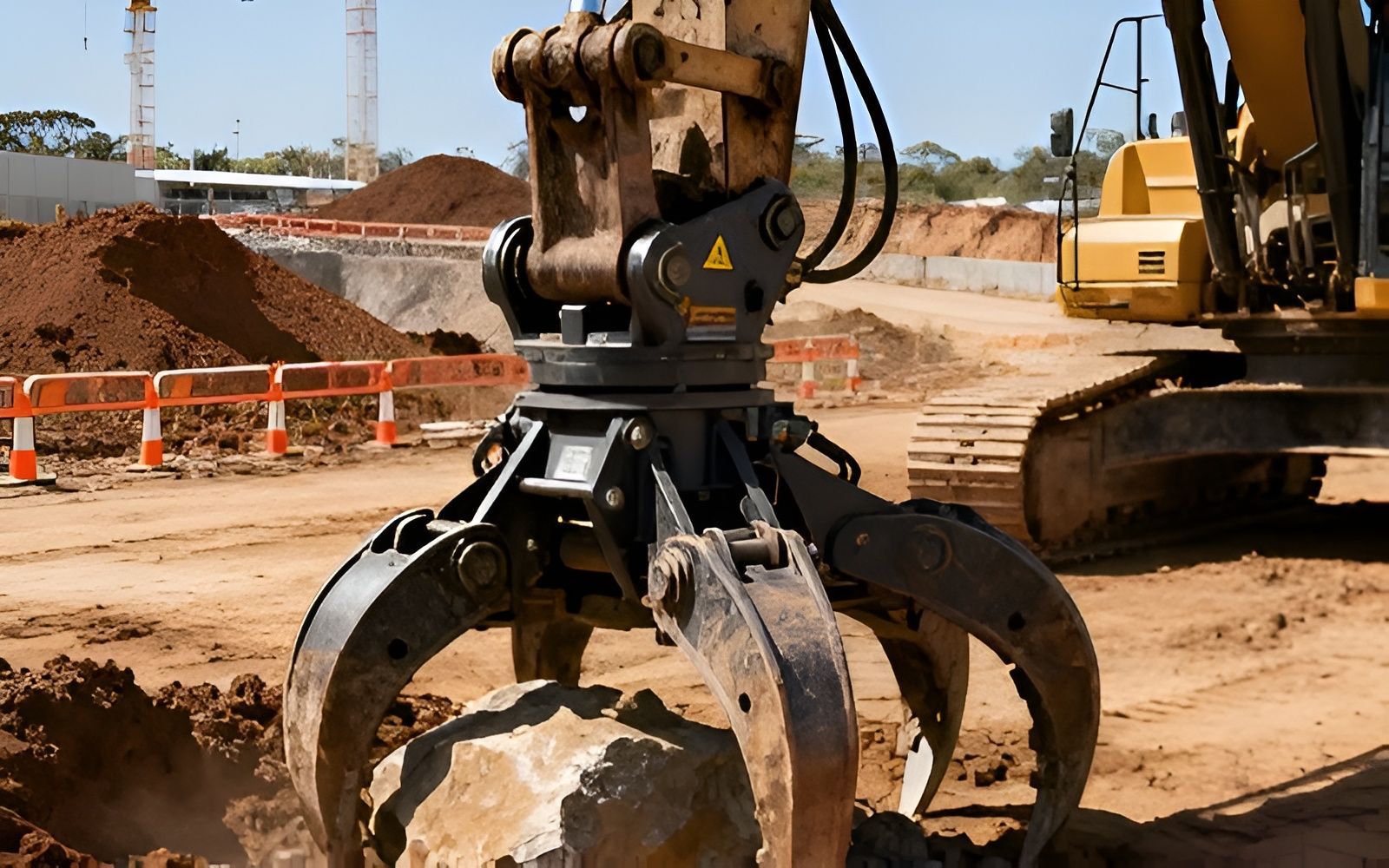
- Rock grab hire for material handling
- Auger attachments for post holes and foundations
Civil Engineering and Infrastructure Projects
Scalable Fleet Approach:
Phase 1 – Site Preparation:
- 8t excavator for bulk earthmoving
- Support with 5t excavator for detail work
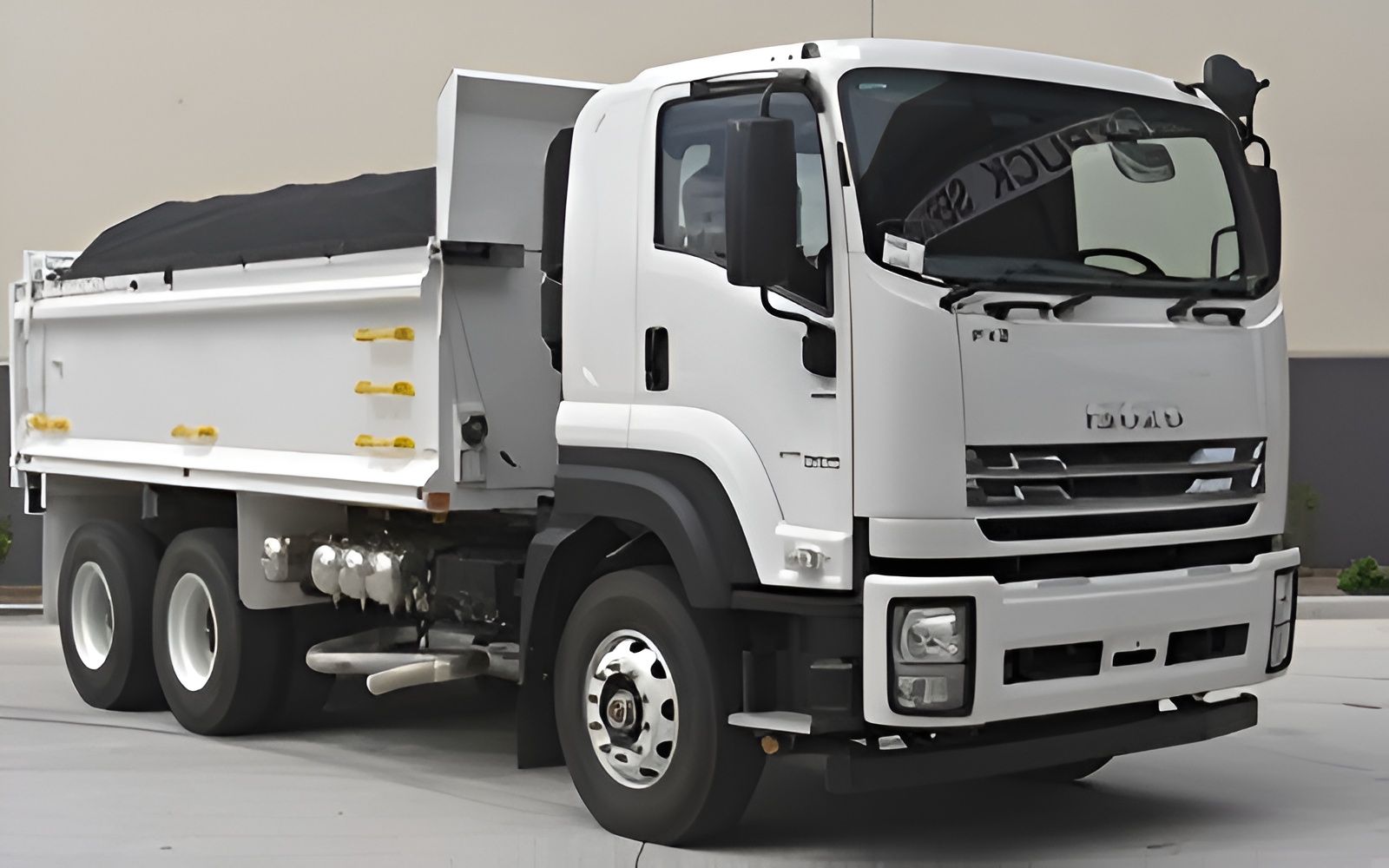
- Tipper truck coordination for material transport
Phase 2 – Utility Installation:
- 3.5t excavator for precision trenching
- Specialized attachments for pipe laying
- Rock grabs for bedding material placement
Phase 3 – Final Works:
- Compact excavators for landscaping and final grading
- Attachment versatility for multiple finishing tasks
- Coordination with other
construction equipment rentals
Mining and Heavy Industrial Projects
Heavy-Duty Fleet Configuration:
Primary Production:
- Multiple large excavators (12T+) for mass production
- Specialized mining attachments and buckets
- Integration with haul truck fleets
Support Operations:
- Mid-range excavators for auxiliary work
- Rock grab attachments for material sorting
- Maintenance and service support equipment
Redundancy and Backup:
- Additional capacity for continuous operation requirements
- Emergency replacement protocols
- Comprehensive maintenance support systems
Cost-Effective Fleet Management StrategiesRental Duration Optimization
Short-Term Project Strategy (1-4 weeks):
- Focus on exact equipment matching to avoid over-capacity costs
- Utilize weekly rates for maximum cost efficiency
- Plan equipment sequencing to minimize idle time
- Consider all equipment hire packages for complete solutions
Medium-Term Projects (1-6 months):
- Negotiate monthly rates for significant cost savings
- Plan for equipment rotation based on project phases
- Build flexibility for equipment size adjustments
- Establish maintenance and support protocols
Long-Term Operations (6+ months):
- Secure long-term contract rates for maximum savings
- Implement comprehensive fleet management systems
- Plan for seasonal variations and demand changes
- Establish strategic partnership with equipment providers
Multi-Project Fleet Coordination
Portfolio Management:
Successful contractors often manage multiple simultaneous projects:
- Fleet sharing: Moving equipment between projects as phases complete
- Standardization: Using compatible equipment across multiple sites
- Logistics optimization: Minimizing transport and setup costs
- Utilization maximization: Ensuring equipment operates at optimal capacity
Project Sequencing:
- Plan project timelines to enable equipment sharing
- Coordinate completion phases with equipment availability
- Build buffer time for equipment transition between sites
- Maintain flexibility for project delays or accelerations
Technology Integration and Fleet MonitoringGPS and Telematics Systems
Real-Time Fleet Management:
Modern excavation equipment rentals increasingly include advanced monitoring capabilities:
- Location tracking: Real-time equipment positioning and movement monitoring
- Utilization analysis: Operating hours versus idle time optimization
- Fuel consumption monitoring: Cost control and efficiency improvement
- Maintenance scheduling: Predictive maintenance alerts and service coordination
Performance Optimization:
- Productivity metrics: Tracking actual performance versus planned productivity
- Operator performance: Individual operator efficiency and skill development
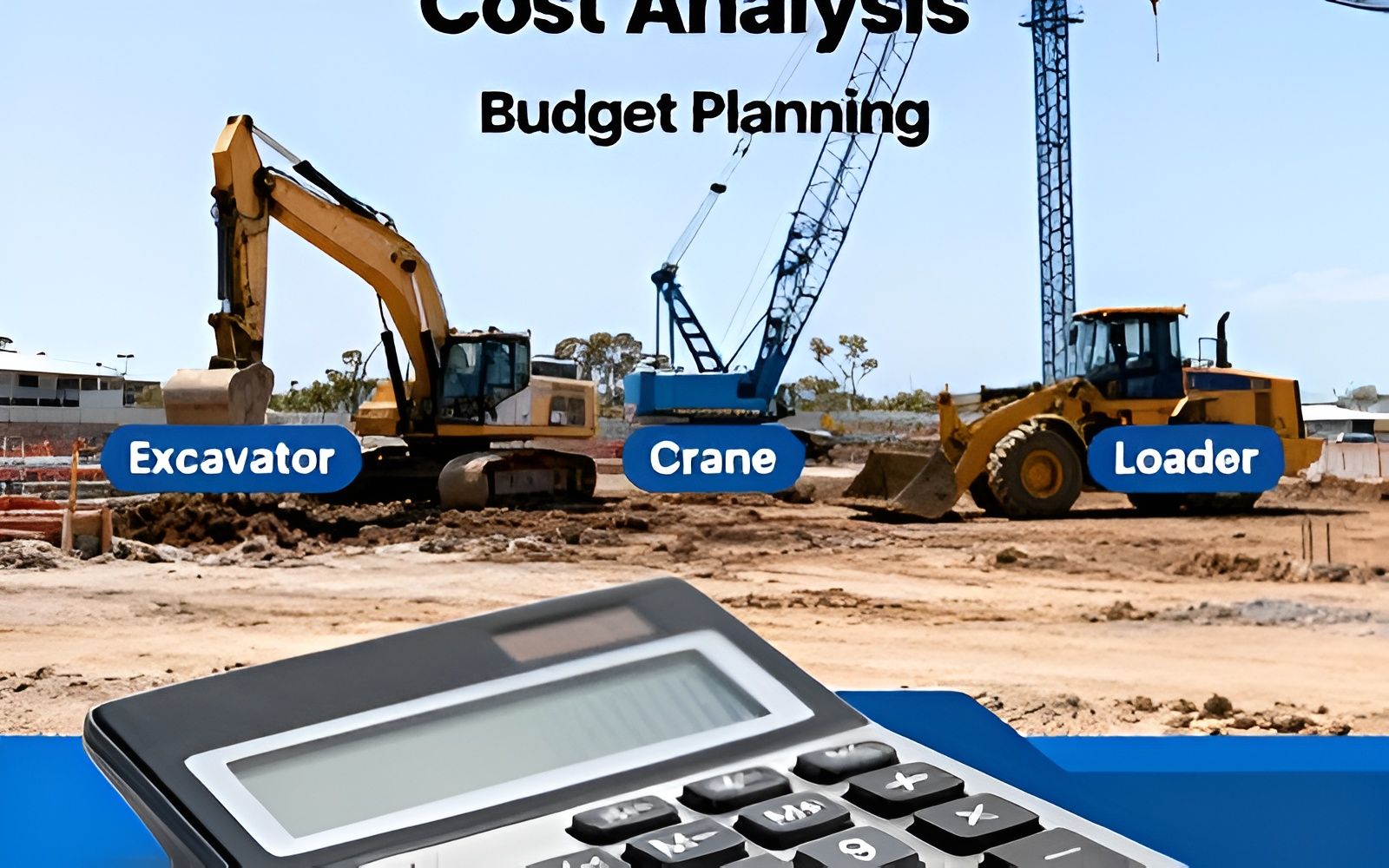
- Cost analysis: Real-time cost tracking and budget management
- Safety monitoring: Equipment operation safety and compliance tracking
Integration with Project Management Systems
Comprehensive Project Control:
- Schedule coordination: Equipment availability aligned with project milestones
- Resource allocation: Optimal equipment deployment across multiple activities
- Cost tracking: Real-time equipment costs versus project budgets
- Performance reporting:
Automated reporting for project stakeholders
Attachment and Accessory StrategyBuilding Versatile Capability
Standard Attachment Portfolio:
Every excavation fleet should include basic attachments:
- Digging buckets: Multiple sizes for different material types and applications
- Trenching buckets: Narrow buckets for utility installation and drainage work
- Grading buckets: Wide, shallow buckets for finish grading and surface work
- Rock grabs: Hydraulic rock grab attachments for material handling
Specialized Attachments:
Project-specific requirements may include:
- Auger drives: For post holes, foundations, and drilling applications
- Hydraulic hammers: For concrete breaking and rock fracturing
- Compaction wheels: For trench compaction and soil preparation
- Mulching heads: For land clearing and vegetation management
Cost-Effective Attachment Management
Attachment Sharing Strategy:
- Cross-compatibility: Selecting attachments that work across multiple excavator sizes
- Utilization optimization: Moving attachments between machines as needed
- Storage and transport: Efficient attachment logistics and site management
- Maintenance coordination:
Comprehensive attachment service and repair
Regional Considerations for Australian ProjectsClimate and Environmental Adaptations
Tropical Conditions (Northern Australia):
- Corrosion protection: Enhanced protection for high humidity environments
- Cooling systems: Upgraded cooling for extreme temperature operation
- Wet season planning: Equipment selection for muddy, challenging conditions
- Cyclone preparation: Equipment securing and protection protocols
Arid Environments (Central and Western Australia):
- Dust management: Enhanced filtration and sealing systems
- Heat protection: Operator comfort and equipment cooling requirements
- Extended operation: Equipment reliability for remote, continuous operation
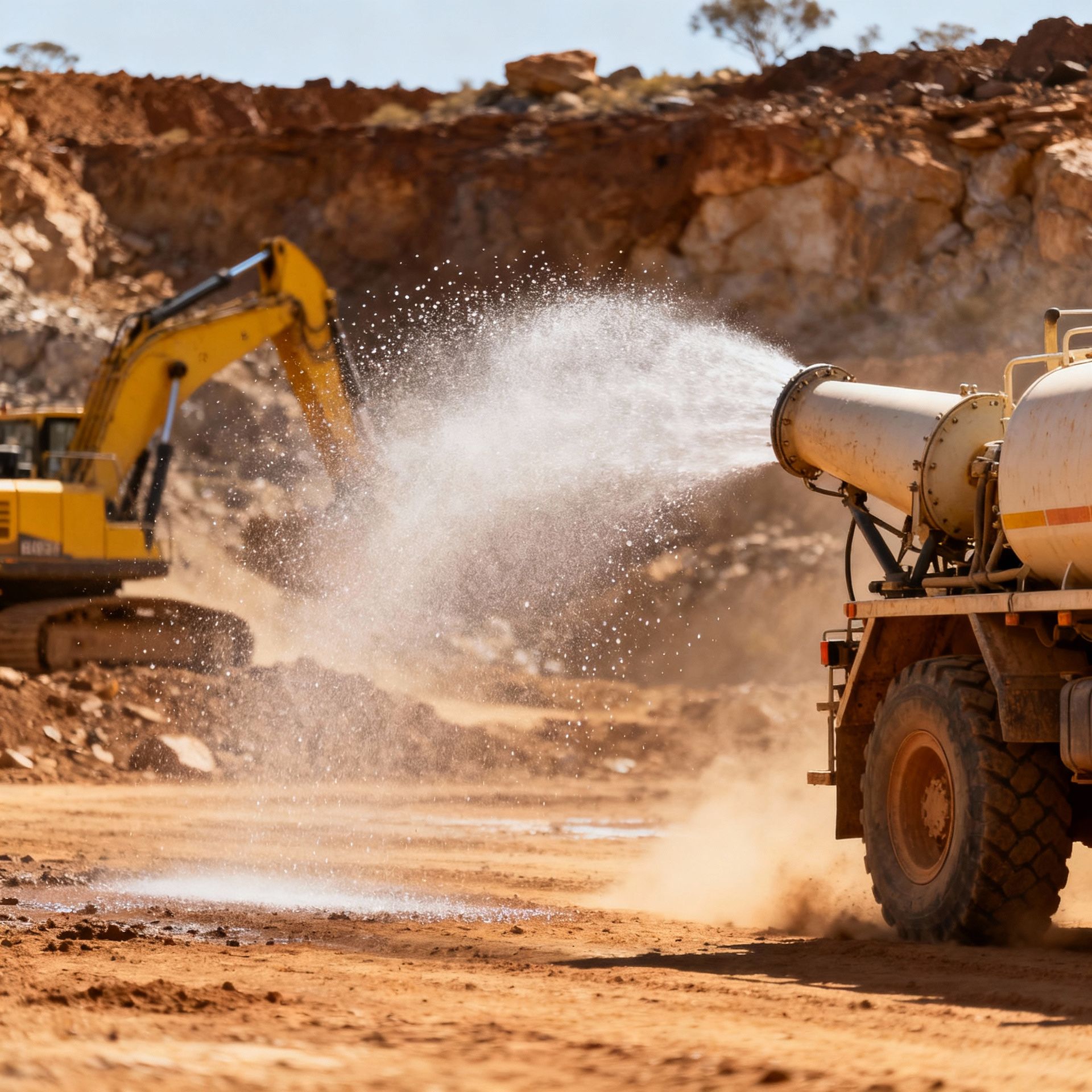
- Water scarcity: Coordination with water truck services for dust control
Urban Environments:
- Noise control: Low-emission, quiet operation equipment selection
- Size constraints: Compact equipment for confined urban construction sites
- Transport efficiency: Equipment that can easily move between multiple urban sites
- Community relations: Professional presentation and minimal environmental impact
State and Territory Regulatory Requirements
Safety and Compliance:
- Operator certification: State-specific licensing and training requirements
- Equipment standards: Local certification and inspection requirements
- Environmental protection: Emissions and noise compliance standards
- Workplace safety: WHS compliance across different jurisdictions
Maintenance and Support Considerations Comprehensive Maintenance Planning
Daily Operations:
- Pre-operation inspections: Safety and performance checks before each shift
- Operator training: Proper operation to prevent damage and maximize efficiency
- Basic maintenance: Daily servicing and cleaning requirements
- Issue reporting: Prompt reporting of any problems or concerns
Scheduled Maintenance:
- Weekly servicing: Routine maintenance and fluid level checks
- Monthly inspections: Comprehensive system analysis and component inspection
- Annual recertification: Complete equipment overhaul and certification renewal
- Parts and supplies: Comprehensive inventory management for rapid repairs
Emergency Support and Backup Plans
Contingency Planning:
- Backup equipment availability: Alternative equipment for critical operations
- Emergency repair services: 24/7 support for operational issues
- Replacement protocols: Rapid equipment substitution for continued operation
- Technical support: Expert assistance for operational challenges
Financial Planning and ROI OptimizationTotal Cost of Ownership Analysis
Direct Costs:
- Rental rates: Base equipment rental costs across different duration periods
- Transport costs: Delivery, pickup, and repositioning expenses
- Fuel consumption: Operating fuel costs and efficiency considerations
- Operator costs: Labor costs for equipment operation and supervision
Indirect Costs:
- Project delays: Cost impact of equipment unavailability or breakdown
- Productivity losses: Inefficient equipment causing reduced output
- Safety incidents: Costs associated with equipment-related accidents
- Compliance issues: Regulatory non-compliance penalties and corrections
Performance Measurement and Optimization
Key Performance Indicators:
- Equipment utilization: Percentage of rental period in productive operation
- Cost per cubic meter: Total equipment costs divided by material moved
- Project schedule adherence: Equipment contribution to on-time completion
- Safety performance: Equipment-related incident rates and compliance
Continuous Improvement:
- Performance benchmarking: Comparing costs and productivity across projects
- Equipment evaluation: Assessing different models and manufacturers
- Process optimization: Improving equipment deployment and management processes
- Training development: Enhancing operator skills and equipment knowledge
Expert Consultation and Professional SupportMaximizing Fleet Performance Through Partnership
At AllQuip Rentals, our excavation equipment specialists provide comprehensive consultation services to help optimize your fleet composition and deployment:
Pre-Project Planning:
- Site assessment: Detailed analysis of excavation requirements and site conditions
- Equipment sizing: Optimal excavator selection for specific project needs
- Fleet composition: Strategic planning for multi-equipment projects
- Cost optimization: Analysis of different rental scenarios and cost implications
Ongoing Project Support:
- Performance monitoring: Regular assessment of equipment productivity and utilization
- Optimization recommendations: Adjustments to improve efficiency and reduce costs
- Technical support: Expert assistance with operational challenges and equipment issues
- Training support: Operator training and safety protocol development
Strategic Partnership Benefits:
- Priority access: Preferred customer status for equipment availability during peak periods
- Flexible terms: Customized rental agreements that adapt to changing project needs
- Comprehensive support: Complete equipment management from selection to return
- Performance reporting: Detailed analysis of equipment performance and cost effectiveness
For expert consultation on building the perfect excavation equipment fleet for your specific project requirements, contact our specialists at
0487 612 012. Our team can provide detailed analysis and customized recommendations to optimize your excavation operations.
Case Studies: Successful Fleet DeploymentResidential Development – Gold Coast
A medium-scale residential development required excavation for 150 home sites over 12 months:
Challenge:
- Varying lot sizes requiring different excavation approaches
- Staged development requiring flexible equipment deployment
- Budget constraints demanding cost-effective solutions
- Tight site access limiting equipment size options
Fleet Solution:
- Primary: 3.5t excavator for standard lot excavation
- Secondary: 1.7t excavator for tight access areas
- Rotating attachment package including multiple bucket sizes and rock grab
- Coordinated tipper truck support for material removal
Results:
- 20% cost savings compared to using oversized equipment
- 100% schedule adherence through flexible equipment sizing
- Zero access-related delays through proper equipment selection
- Successful completion with customer satisfaction and referral generation
Infrastructure Project – Highway Upgrade NSW
A major highway upgrade project requiring excavation of 500,000 cubic meters over 18 months:
Challenge:
- Large-scale earthmoving requiring high productivity
- Multiple work zones with different access and space constraints
- Coordination with multiple contractors and equipment types
- Strict environmental and safety compliance requirements
Fleet Solution:
- Primary production: Two large excavators for bulk earthmoving
- Support operations: 8t excavator for medium-scale work
- Precision work: 3.5t excavator for utility protection and final grading
- Comprehensive attachment package for specialized applications
- Integrated fleet management and monitoring systems
Results:
- Exceeded productivity targets by 15% through optimal equipment sizing
- Zero safety incidents through proper equipment selection and training
- Full environmental compliance maintained throughout project duration
- Project completed 3 weeks ahead of schedule with cost savings passed to client
Mining Support Project – Pilbara Region
Coal mine infrastructure development requiring diverse excavation capabilities:
Challenge:
- Remote location requiring reliable, self-sufficient operation
- Extreme operating conditions demanding robust equipment
- 24/7 operation requirements needing redundancy and backup capability
- Integration with existing mine equipment and protocols
Fleet Solution:
- Heavy-duty excavators for primary earthmoving and infrastructure development
- Mid-range units for support operations and material handling
- Rock grab attachments for specialized material sorting
- Comprehensive maintenance and support package
- Integration with mine site safety and operational protocols
Results:
- 100% operational availability through proper fleet sizing and redundancy
- Zero environmental compliance issues through appropriate equipment selection
- Successful integration with mine site operations and existing equipment
- Contract extended for additional phases based on performance success
Conclusion: Building Your Perfect Excavation Fleet
Creating the perfect excavation equipment fleet requires strategic thinking that goes beyond simply selecting individual machines. Success comes from understanding how different excavator sizes complement each other, optimizing rental duration and costs, integrating technology and monitoring systems, and building partnerships with reliable equipment providers.
The most successful excavation contractors recognize that fleet composition directly impacts project profitability, schedule adherence, and competitive advantage. By implementing the strategies outlined in this guide, contractors can build flexible, cost-effective fleets that deliver consistent results across projects of any size and complexity.
Whether managing small residential developments or major infrastructure projects, the principles of strategic fleet building remain consistent: understand your requirements, select complementary equipment, optimize costs through smart rental strategies, and partner with providers who offer comprehensive support and expertise.
Ready to build the perfect excavation fleet for your next project? Contact AllQuip Rentals at 0487 612 012 to discuss your specific requirements and discover how our comprehensive excavation equipment rentals and expert consultation services can optimize your excavation operations for maximum productivity and profitability.
For additional insights on construction equipment optimization, explore our comprehensive guides on
cost-effective machinery rental, rock grab applications, and
complete equipment hire solutions designed specifically for Australian construction and excavation professionals.